Interest in living a healthier and more conscious lifestyle has increased across the world. Many people are reexamining everyday choices related to food, personal care, household products, and the environment. As part of this shift, the idea of a chemical free lifestyle is often discussed. While the phrase is commonly used, it can also be confusing.
This article offers a clear and realistic guide to what a healthier chemical free lifestyle means in practical terms. It focuses on informed choices, moderation, and long term habits rather than fear based thinking or unrealistic expectations. The goal is to help readers make thoughtful decisions that support wellbeing without promoting extreme or unsupported claims.
Understanding What Chemical Free Really Means
From a scientific perspective, everything around us is made of chemicals, including water, air, and natural foods. Because of this, a completely chemical free life is not possible. In everyday language, however, chemical free usually refers to reducing exposure to certain synthetic or heavily processed substances that some people prefer to avoid.
A healthier chemical free lifestyle is better understood as a lifestyle that emphasizes simplicity, transparency, and informed choices. It focuses on minimizing unnecessary exposure rather than eliminating all substances.
Understanding this distinction helps avoid confusion and unrealistic goals.
Why People Choose a Low Chemical Lifestyle
People are drawn to this lifestyle for different reasons. Some want to simplify daily routines. Others are concerned about long term exposure to certain ingredients. Many simply prefer products with clear labeling and fewer additives.
This approach is often about awareness rather than avoidance. Choosing products with fewer ingredients or more familiar components can feel empowering and easier to manage.
It is also influenced by broader interest in sustainability, environmental responsibility, and mindful consumption.
Food Choices That Support a Cleaner Lifestyle
Diet is often the first area people focus on when making changes. Supporting a healthier lifestyle does not require strict rules or elimination of entire food groups.
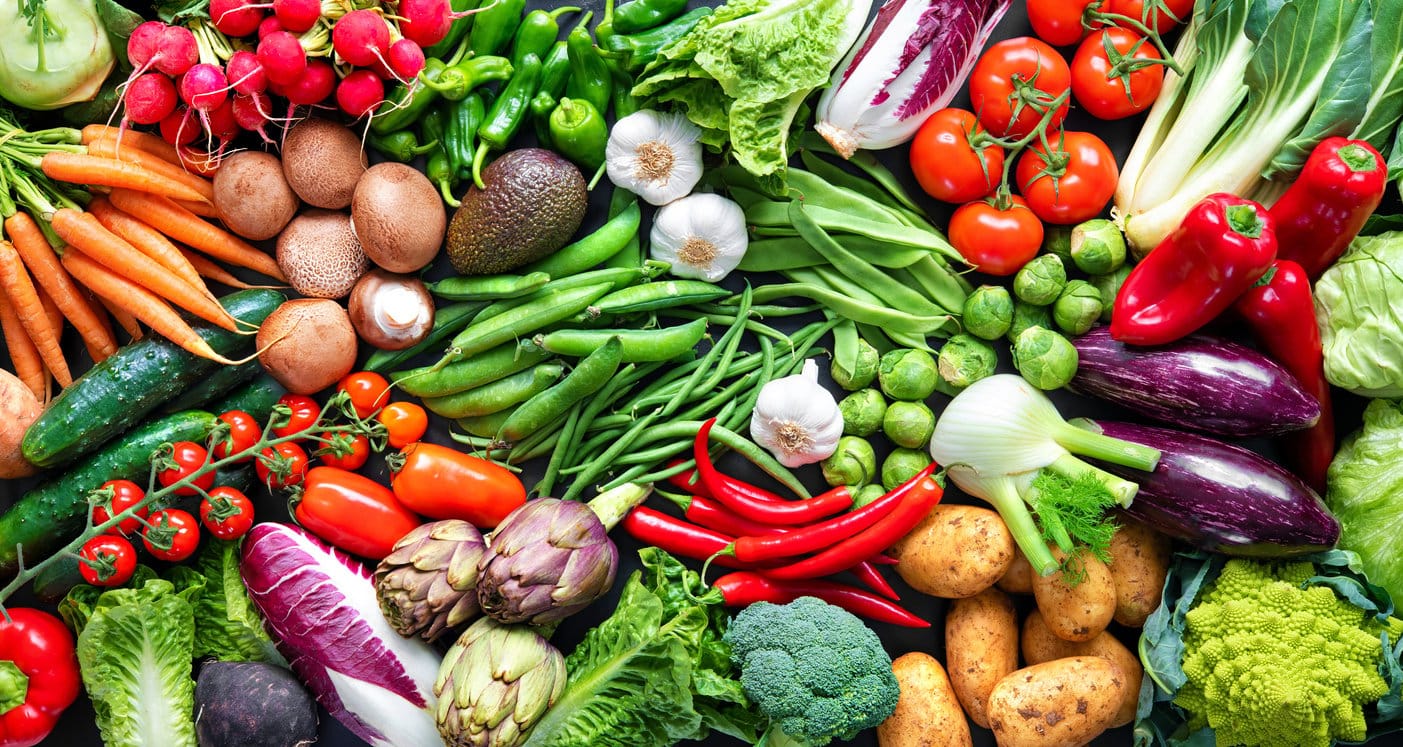
Many people start by prioritizing whole foods such as fruits, vegetables, grains, and minimally processed ingredients. These foods tend to have shorter ingredient lists and are easier to recognize.
Cooking at home more often allows greater control over ingredients and preparation methods. This does not mean avoiding convenience entirely but choosing balance.
Reading food labels can also help individuals understand what they are consuming without creating unnecessary concern.
Being Realistic About Food Labels
Labels such as natural or chemical free are not always regulated consistently. It is helpful to focus on ingredient lists rather than marketing terms.
A shorter and more transparent ingredient list often aligns better with a cleaner eating approach. That said, occasional processed foods can still fit into a balanced lifestyle.
Perfection is not required to support health.
Rethinking Personal Care Products
Personal care products such as soaps, shampoos, and skincare items are used daily. Because of this, many people choose to review the ingredients in these products.
A cleaner approach may involve selecting products with fewer synthetic fragrances or unnecessary additives. Some individuals prefer fragrance free or plant based formulations.
Skin sensitivity varies widely, so what works for one person may not work for another. Testing products slowly and paying attention to how the body responds is important.
There is no universal standard for clean personal care, and informed choice matters more than trends.
Household Products and Indoor Environment
Household cleaners and air fresheners are another area where people often make changes. Ventilation, moderation, and product selection all influence indoor environments.
Some people choose milder cleaning agents, while others reduce the use of scented products. Regular ventilation and basic hygiene practices can significantly improve indoor air quality.
Reducing clutter and unnecessary product use can also simplify household routines.
Clothing and Everyday Materials
Clothing and textiles are sometimes overlooked when discussing lifestyle choices. Natural fibers such as cotton, wool, or linen are often preferred for comfort and breathability.
This does not mean synthetic materials must be avoided completely. Instead, awareness of comfort, durability, and personal preference guides better decisions.
Washing new clothes before wearing them and following care instructions can support comfort and longevity.
Environmental Awareness and Sustainability
A healthier lifestyle often overlaps with environmental responsibility. Reducing waste, reusing items, and choosing durable products can support both personal wellbeing and environmental goals.
Simple steps such as using reusable containers, reducing single use items, and choosing quality over quantity contribute to a more thoughtful lifestyle.
Sustainability is a long term process rather than a one time decision.
Avoiding Fear Based Thinking
One common challenge in discussions about chemicals is fear driven messaging. This can create unnecessary stress and confusion.
A healthier approach focuses on balance, context, and evidence. Not all synthetic substances are harmful, and not all natural substances are harmless.
Making informed choices based on credible information helps maintain perspective and reduces anxiety.
Small Changes Add Up Over Time
Lifestyle changes do not need to happen all at once. Gradual adjustments are often more sustainable.
Starting with one area, such as food or household products, allows time to learn and adapt. Over time, these small changes can create meaningful improvements without disruption.
Consistency matters more than intensity.
The Role of Lifestyle Habits Beyond Products
Health is influenced by more than product choices. Sleep, physical activity, stress management, and social connection play significant roles.
A chemical conscious lifestyle works best when combined with balanced habits that support overall wellbeing.
No product can replace the benefits of adequate rest, movement, and routine.
Understanding Limitations and Personal Needs
Not every option is accessible or suitable for everyone. Budget, availability, health conditions, and cultural preferences all shape choices.
A healthier lifestyle should support quality of life rather than create pressure or guilt. Flexibility and self awareness are essential.
There is no single correct way to live cleaner.
When Professional Guidance Is Helpful
People with specific health concerns or sensitivities may benefit from professional advice when making changes. This article provides general information and does not replace medical or nutritional guidance.
Seeking qualified input ensures that changes are appropriate and safe.
Final Thoughts
A healthier chemical free lifestyle is best understood as a mindful and balanced approach to daily living. It emphasizes awareness, moderation, and informed choices rather than elimination or fear.
By focusing on whole foods, thoughtful product selection, sustainable habits, and realistic expectations, individuals can support wellbeing in a way that feels practical and sustainable.
Healthier living is not about perfection. It is about making choices that align with personal values and long term balance.
About the Author