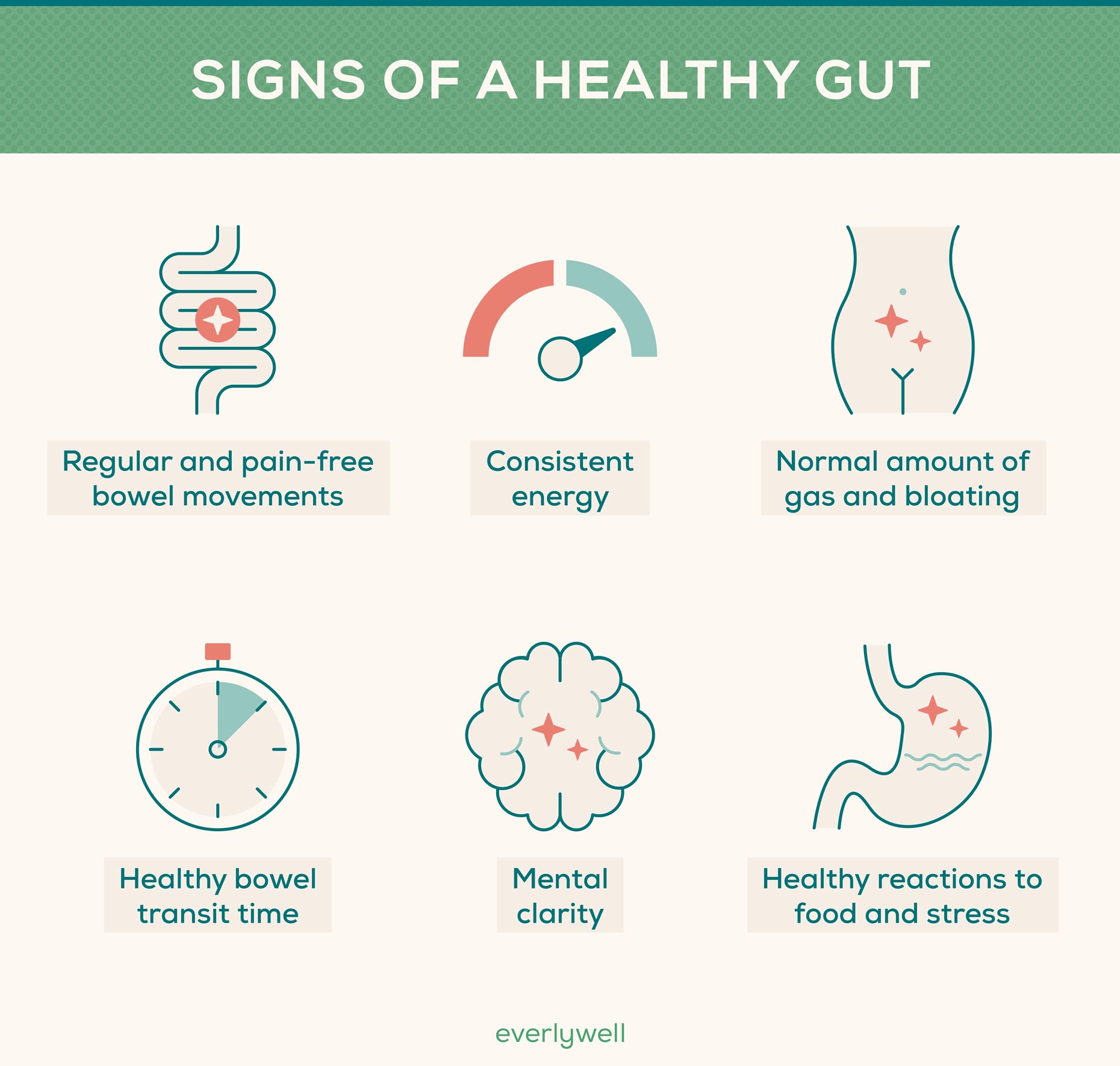
The digestive system plays a central role in overall health, yet it is often overlooked until problems arise. From breaking down food to absorbing nutrients and supporting immune balance, digestion affects far more than just the stomach. Many people associate digestion only with what happens after eating, but in reality, the digestive system is a complex network that influences energy levels, immunity, and general wellbeing.
This article explains how the digestive system works in simple terms and outlines five practical ways to support gut health. The focus is on clarity, balance, and realistic expectations, rather than quick fixes or exaggerated claims.
Understanding the Digestive System in Simple Terms
The digestive system is responsible for turning food into usable nutrients and eliminating waste. It begins in the mouth and continues through the esophagus, stomach, small intestine, large intestine, and rectum. Along the way, organs such as the liver and pancreas support digestion by producing enzymes and bile.
Digestion is not a single action. It involves mechanical processes like chewing, chemical processes like enzyme activity, and biological processes involving gut bacteria. When these systems work together smoothly, digestion feels effortless. When they are disrupted, discomfort often follows.
Why Gut Health Matters Beyond Digestion
Gut health refers to how well the digestive system functions, including the balance of microorganisms living in the intestines. These microorganisms play a role in digestion, nutrient absorption, and immune regulation.
An imbalanced gut may contribute to bloating, irregular digestion, fatigue, or changes in appetite. While gut health is not responsible for every health issue, it is increasingly recognized as a foundation of general wellbeing.
Supporting gut health is about consistency rather than drastic changes.


4
1. Eat a Diet That Supports Digestive Balance
Food choices have a direct impact on digestion. A diet that supports gut health is usually varied, balanced, and rich in natural foods.
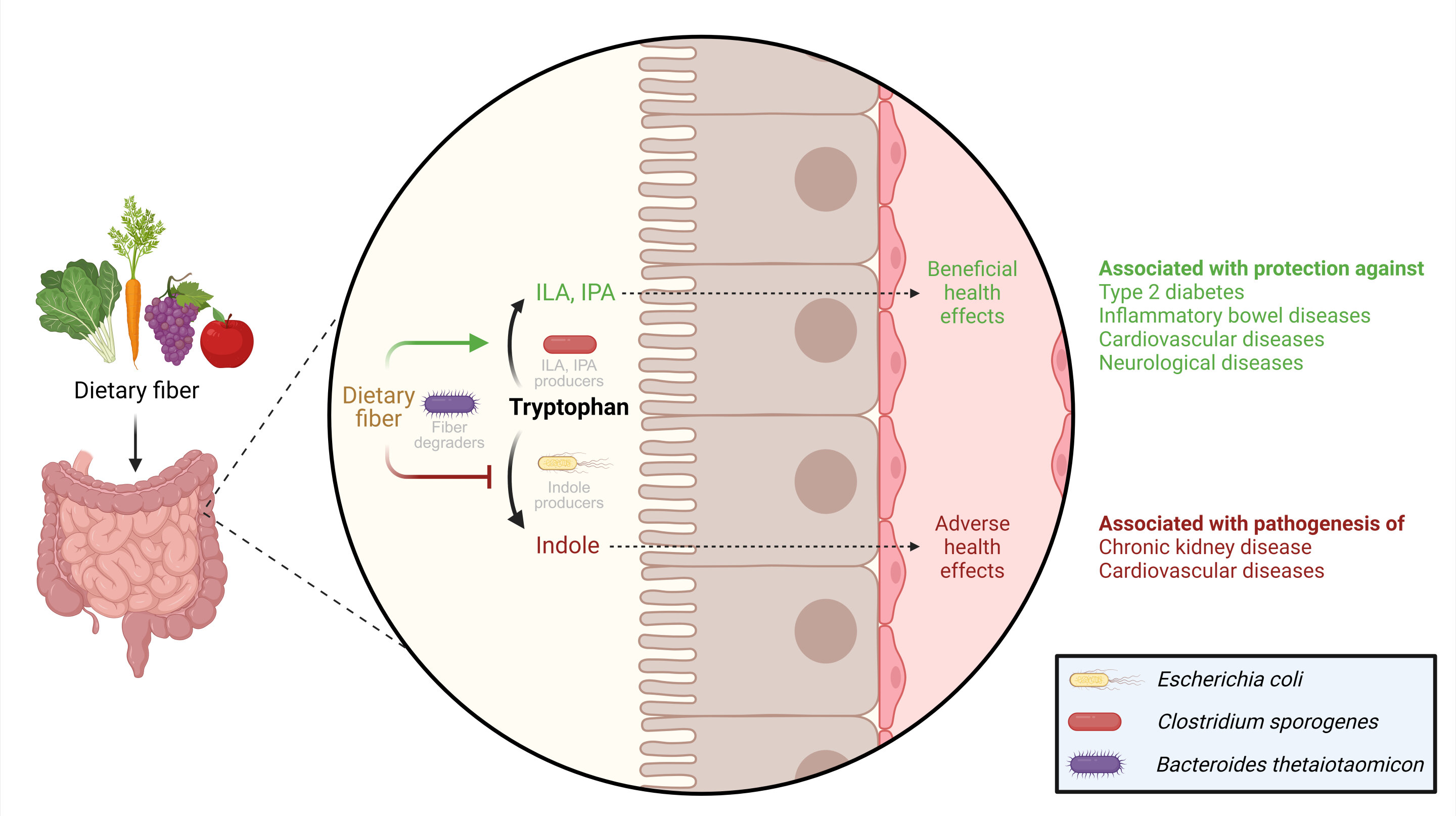
Fiber plays a key role in digestion. It helps move food through the digestive tract and supports healthy bowel function. Fiber is found in fruits, vegetables, whole grains, legumes, nuts, and seeds.
A balanced diet also provides essential nutrients that help digestive organs function properly. Excessive reliance on highly processed foods may reduce dietary variety and limit fiber intake.
Rather than focusing on specific superfoods, consistency matters more. Gradually increasing fiber intake and maintaining regular meals can support digestive comfort over time.
The Importance of Eating Patterns
How you eat can matter as much as what you eat. Eating too quickly, skipping meals, or overeating can place strain on the digestive system.
Simple habits such as eating slowly, chewing thoroughly, and allowing time between meals can support digestion. These habits give the body time to process food effectively.
Listening to hunger and fullness cues also helps prevent digestive discomfort.


4
2. Support a Healthy Gut Microbiome
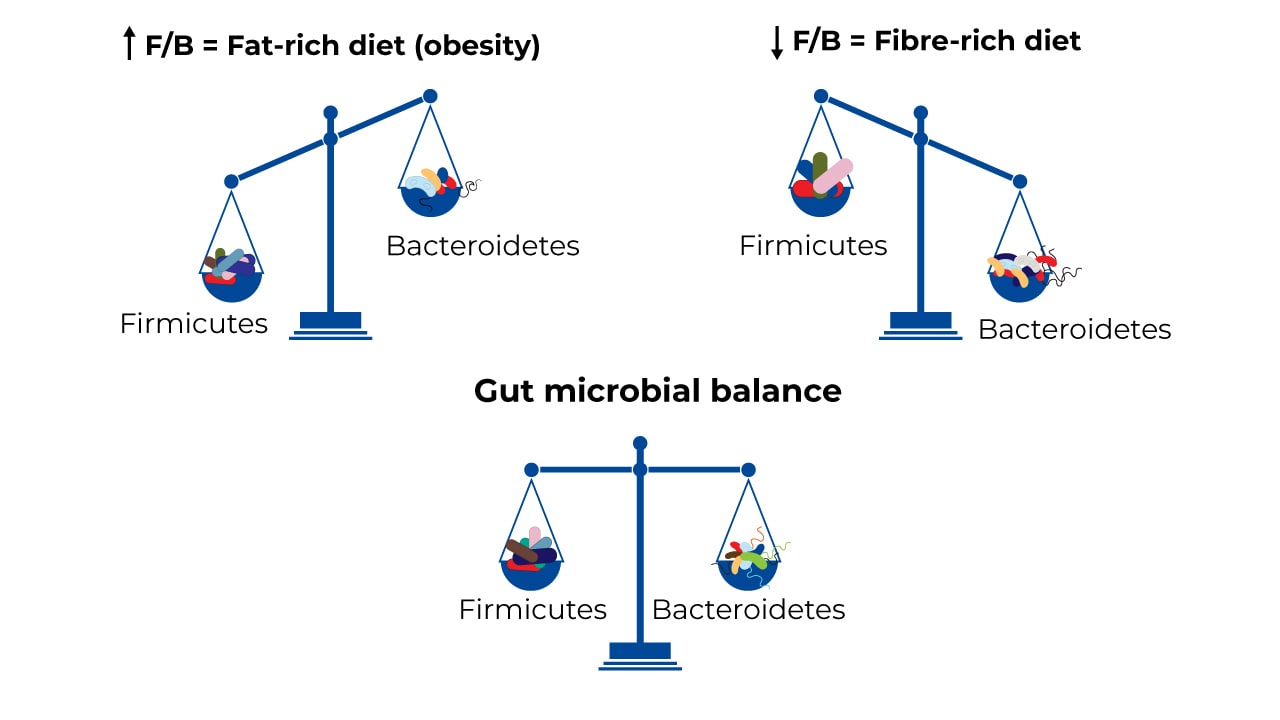
The gut microbiome refers to the community of microorganisms living in the digestive tract. These microorganisms assist in digestion and contribute to nutrient processing.
A diverse microbiome is generally associated with digestive stability. Diet variety supports this diversity. Foods such as vegetables, fruits, whole grains, and fermented foods are commonly included in gut supportive diets.
It is important to note that gut microbiome research is still evolving. There is no single ideal microbiome, and individual responses vary.
Supporting microbial balance is best approached through long term dietary patterns rather than short term interventions.
Fermented Foods and Digestive Awareness
Fermented foods are often discussed in relation to gut health. While some people find them helpful, others may experience sensitivity.
There is no requirement to consume fermented foods to maintain gut health. Awareness of personal tolerance is important, and moderation is key.


4
3. Stay Hydrated to Support Digestion
Water plays a fundamental role in digestion. It helps break down food, supports nutrient absorption, and assists in waste movement through the intestines.
Inadequate hydration may contribute to digestive discomfort, including constipation. Regular fluid intake throughout the day supports smoother digestive processes.
Hydration needs vary based on activity level, environment, and individual health. Paying attention to thirst and maintaining consistent fluid intake is generally more effective than strict rules.
Beverages and Digestive Comfort
Some beverages may irritate digestion in certain individuals. Paying attention to how different drinks affect your body can help identify patterns.
Water remains the most neutral and supportive option for digestion.
4
4. Manage Stress to Support Gut Function
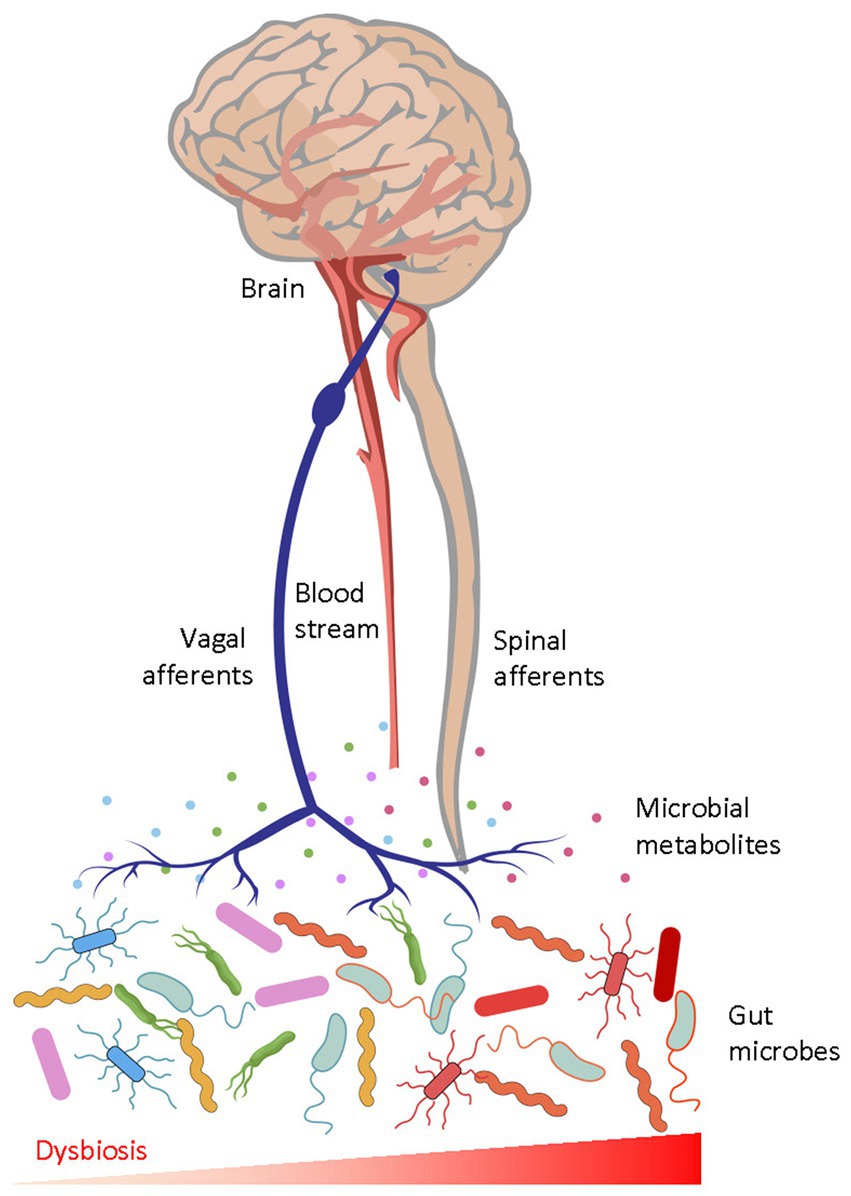
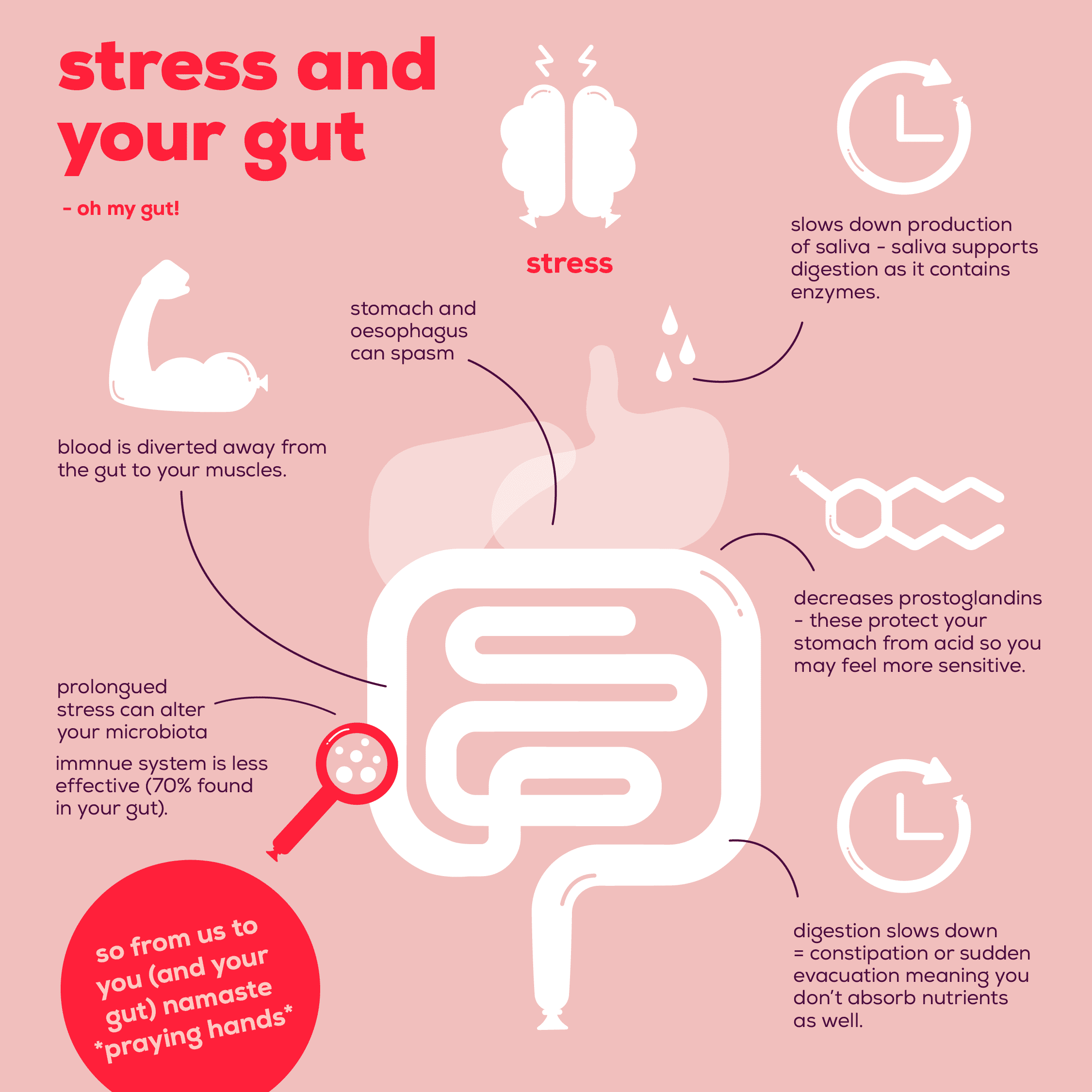
The digestive system is closely connected to the nervous system. Stress can influence digestion by altering gut movement and sensitivity.
During periods of stress, digestion may slow down or become irregular. This response is part of the body stress system and is not a sign of failure.
Supporting gut health includes addressing stress through realistic methods such as adequate rest, relaxation practices, or physical activity.
There is no single correct approach to stress management. What matters is finding methods that are sustainable and supportive over time.
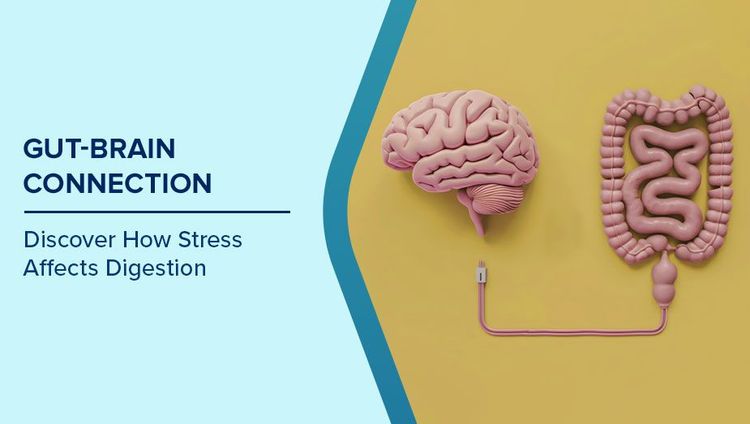
The Gut Brain Connection
The connection between the gut and brain highlights why emotional wellbeing can influence digestion. This does not mean symptoms are imagined. It reflects how interconnected body systems are.
Acknowledging this connection encourages a more compassionate approach to digestive health.


4
5. Maintain Consistent Daily Habits
Consistency supports digestion more than occasional intense efforts. Regular sleep, movement, and meal timing help regulate digestive rhythms.
Physical activity supports digestion by encouraging normal gut movement. Gentle movement such as walking can be particularly supportive after meals.
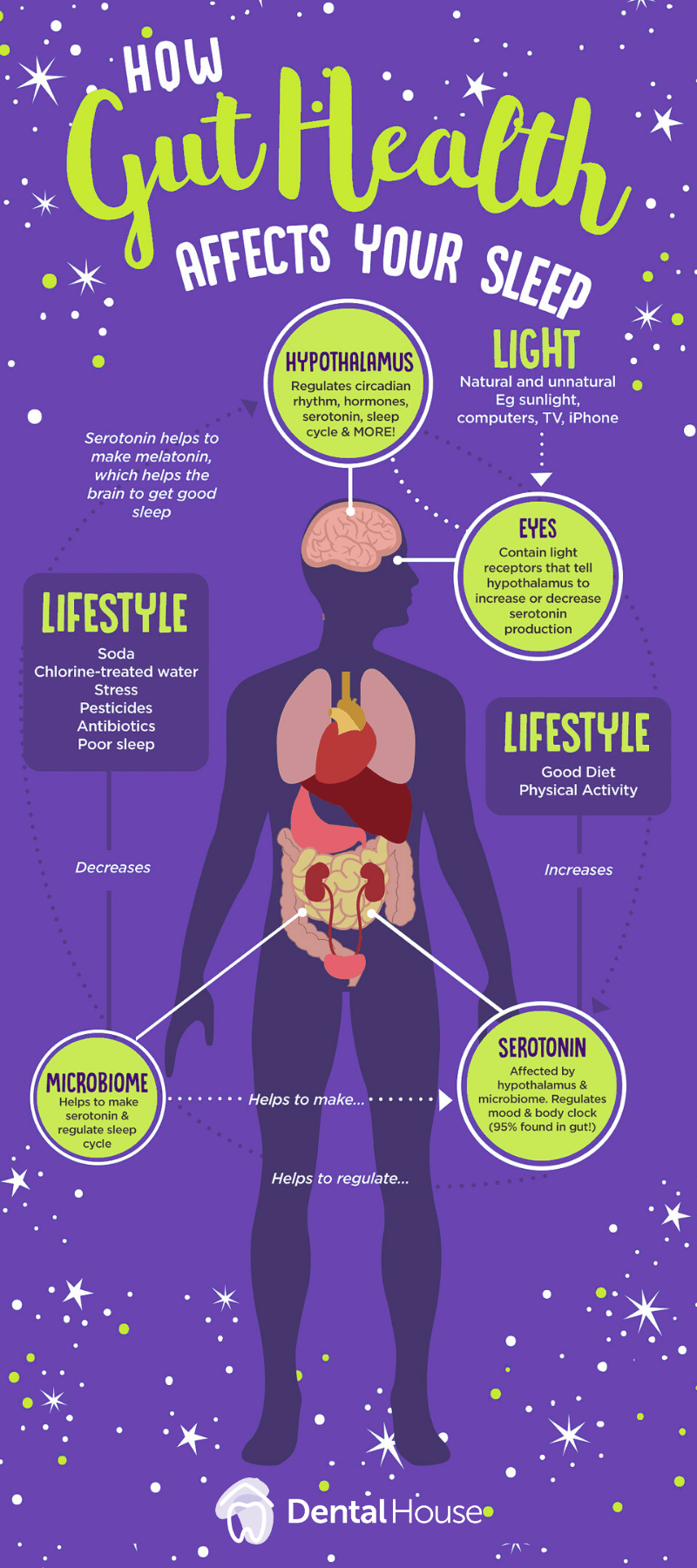
Sleep also plays a role in digestive regulation. Disrupted sleep patterns may affect appetite and digestion over time.
Creating a routine that supports overall health indirectly supports the digestive system.
Avoiding Common Digestive Misconceptions
Digestive health is often oversimplified. There is no universal solution that works for everyone. Supplements, cleanses, or extreme diets may create more imbalance than benefit.
Supporting digestion is usually about gradual improvement rather than dramatic change.
When to Seek Professional Guidance
Occasional digestive discomfort is common. However, persistent symptoms should be discussed with a qualified health professional.
This article provides general information and does not replace medical advice.
Final Thoughts
The digestive system is a central part of overall health, influencing energy, comfort, and wellbeing. Supporting gut health does not require complicated routines or extreme measures.
By eating a balanced diet, staying hydrated, managing stress, supporting microbial balance, and maintaining consistent daily habits, most people can support digestive comfort naturally.
Small, steady changes are often more effective than dramatic interventions. Understanding and respecting how your digestive system responds helps build long term balance and resilience.
About the Author