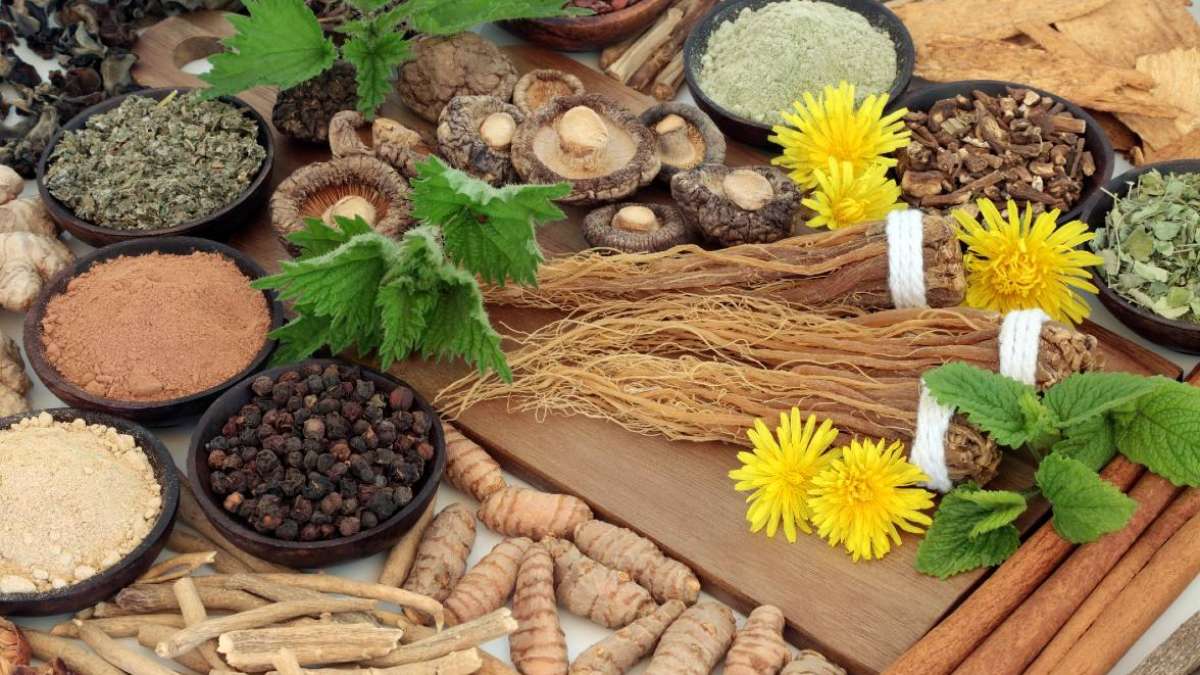
Interest in adaptogens has grown steadily over the past decade, especially among people looking for natural ways to support immunity and manage everyday stress. These substances are often discussed in wellness circles, traditional medicine systems, and modern nutritional research. Despite their popularity, adaptogens are frequently misunderstood. Some people see them as universal immune boosters, while others remain uncertain about their actual benefits and limitations.
This article explains what adaptogens are, how they relate to immune health, their potential advantages, and their possible disadvantages. The goal is to provide a clear and balanced overview that helps readers understand adaptogens without exaggeration or medical claims.
What Are Adaptogens
Adaptogens are natural substances, usually derived from plants or roots, that are believed to help the body adapt to physical, emotional, and environmental stress. The concept originated in traditional healing systems and was later explored in modern scientific contexts.
An adaptogen is typically described as a substance that supports balance within the body rather than targeting a single symptom. Instead of forcing a specific response, adaptogens are thought to help regulate how the body responds to stressors.
Commonly discussed adaptogens include herbs such as ashwagandha, ginseng, rhodiola, holy basil, and astragalus. Each has its own traditional uses and characteristics.
How Adaptogens Are Linked to Immune Health
The immune system is closely connected to stress levels. When the body experiences prolonged stress, immune responses can become less efficient. This connection is one reason adaptogens are often associated with immune support.
Adaptogens are not considered direct immune stimulants in the traditional sense. Instead, they are believed to support immune function indirectly by helping the body manage stress more effectively. When stress responses are more balanced, immune processes may function more smoothly.
It is important to note that immune health is influenced by many factors, including sleep, nutrition, physical activity, and overall lifestyle. Adaptogens are only one small part of this broader picture.
The Role of Stress in Immune Function
Chronic stress can affect immune regulation over time. Elevated stress hormones may interfere with how immune cells communicate and respond. This does not mean that stress immediately weakens immunity, but long term imbalance can play a role in reduced resilience.
Adaptogens are often described as supporting the stress response system rather than suppressing or overstimulating it. This distinction matters because immune balance relies on moderation rather than extremes.
By focusing on stress adaptation, adaptogens are sometimes viewed as supportive tools rather than cures or treatments.
Potential Advantages of Adaptogens
Adaptogens are associated with several potential benefits when used responsibly and as part of a healthy routine.
Support for Stress Management
Many people turn to adaptogens for their perceived calming or stabilizing effects. When stress is better managed, individuals may experience improved overall wellbeing, which indirectly supports immune balance.
General Wellness Support
Adaptogens are often used as part of broader wellness practices. Some individuals report improved energy regulation, better focus, or enhanced resilience during demanding periods.
Traditional Use History
Many adaptogens have been used for centuries in traditional systems. This long history contributes to ongoing interest and research, although traditional use does not automatically confirm effectiveness.
Non Targeted Approach
Unlike substances that act on a single pathway, adaptogens are typically described as working in a more generalized manner. This may appeal to people seeking gentle support rather than aggressive intervention.
Possible Disadvantages and Limitations
Despite their popularity, adaptogens are not without limitations. Understanding these helps set realistic expectations.
Individual Responses Vary
Not everyone responds to adaptogens in the same way. What feels supportive to one person may feel ineffective or uncomfortable to another.
Limited Scientific Consensus
While research exists, many studies on adaptogens are still developing. Evidence varies by herb, dosage, and study design. Adaptogens are not universally accepted as immune enhancers in clinical medicine.
Interaction With Medications
Some adaptogens may interact with medications or existing health conditions. This is especially relevant for people managing chronic illnesses or undergoing medical treatment.
Overuse and Misuse
Using adaptogens excessively or without guidance may lead to unwanted effects such as digestive discomfort, sleep changes, or overstimulation. More is not always better.
Adaptogens and the Idea of Immune Boosting
The phrase immune boosting is often used loosely. In reality, a healthy immune system does not need constant stimulation. Overactivation can be just as problematic as underperformance.
Adaptogens are better understood as immune balancing rather than immune boosting. They are not intended to replace medical care, vaccinations, or evidence based treatments. Instead, they may support overall resilience when used thoughtfully.
This distinction is important for avoiding unrealistic expectations.
Common Adaptogens and Their Traditional Roles
Different adaptogens are traditionally associated with different forms of support.
Ashwagandha is often linked to stress resilience and general vitality.
Ginseng is commonly associated with energy and endurance.
Astragalus has traditionally been connected to immune support in seasonal wellness practices.
Rhodiola is often discussed in relation to mental and physical fatigue.
These associations come from historical use rather than guaranteed outcomes.
Who Should Approach Adaptogens With Caution
Certain individuals should be especially cautious with adaptogens.
People who are pregnant or nursing
Individuals with autoimmune conditions
Those taking prescription medications
People with hormone sensitive conditions
In such cases, professional guidance is recommended before adding adaptogens to a routine.
Lifestyle Factors Matter More Than Supplements
Adaptogens cannot compensate for poor sleep, chronic stress, or inadequate nutrition. Immune health depends far more on consistent lifestyle habits than on any single supplement.
Adequate rest, balanced meals, physical movement, and stress awareness remain the foundation of immune resilience. Adaptogens may play a supporting role but should not be seen as primary solutions.
Setting Realistic Expectations
Adaptogens are not quick fixes. Their effects, if present, are usually subtle and gradual. People seeking immediate or dramatic changes are often disappointed.
A realistic approach views adaptogens as optional tools within a larger wellness framework rather than as essential or transformative products.
Final Thoughts
Adaptogens are best understood as supportive substances rather than immune cures. Their potential advantages lie in stress adaptation and general balance, while their disadvantages relate to variability, limited evidence, and misuse.
For individuals interested in natural wellness approaches, adaptogens may offer gentle support when used carefully. However, they are not substitutes for medical care, healthy routines, or informed decision making.
A balanced perspective helps ensure that adaptogens are approached with curiosity rather than unrealistic expectation.
About the Author