The connection between digestion and mental wellbeing has gained attention in both research and everyday health discussions. Many people notice that stress affects digestion or that digestive discomfort can influence mood. This relationship is not coincidental.
The gut and brain communicate constantly through a network of nerves, hormones, and immune signals. Understanding this connection helps explain why digestive health is closely linked to emotional balance and mental clarity.
This article explores how digestion and mental wellbeing interact, using a clear and balanced approach suitable for general readers.
What the Gut Brain Connection Means
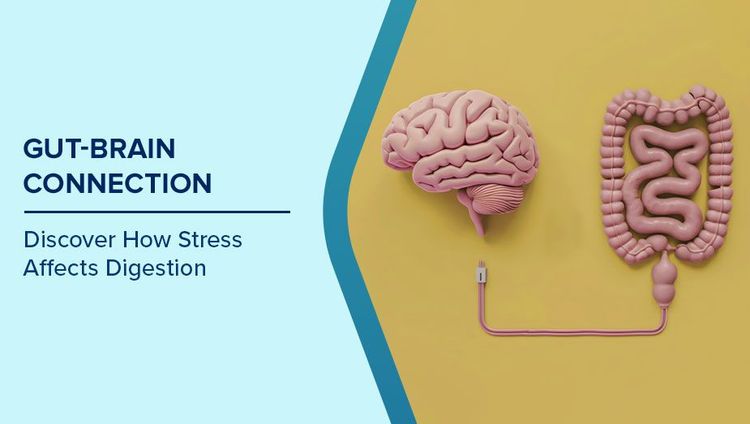
The gut brain connection refers to the communication system linking the digestive tract and the brain. This system allows signals to travel in both directions.
The brain influences digestion through nervous system signals that affect gut movement and sensitivity. At the same time, the digestive system sends signals that influence mood and cognitive states.
This two way communication highlights why digestion and mental experiences are closely linked.
The Role of the Nervous System
A major part of the gut brain connection involves the nervous system. The gut contains a large network of nerves that regulate digestion independently while also communicating with the brain.
This system responds to stress, relaxation, and emotional states. During stress, digestive activity may change as the body prioritizes other responses.
Understanding this mechanism helps explain why digestive discomfort often appears during stressful periods.
Gut Microorganisms and Mental States
The digestive system is home to trillions of microorganisms. These microorganisms assist with digestion and produce compounds that interact with the nervous system.
Research suggests that microbial balance may influence how signals are sent between the gut and brain. This does not mean microbes control emotions, but they may play a supporting role in regulation.
Diet variety and consistency influence microbial diversity over time.
Stress Effects on Digestion
Stress can alter digestion by changing gut movement, sensitivity, and secretion. These changes may lead to discomfort, irregular digestion, or appetite changes.
This response is adaptive in the short term but may become disruptive if stress remains high.
Supporting stress awareness is therefore part of supporting digestion.
How Digestion Can Influence Mood
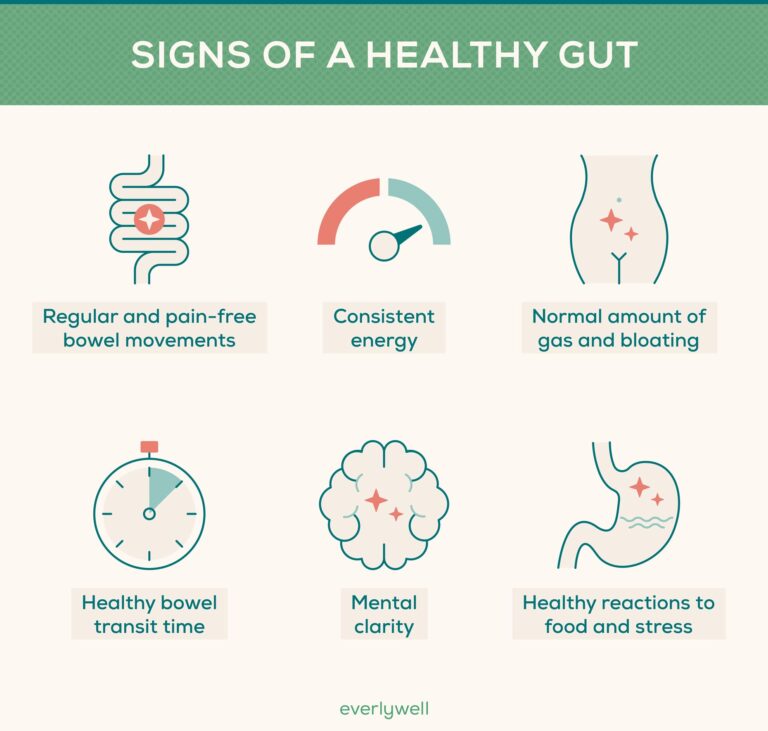
Digestive discomfort can affect concentration, energy, and emotional stability. When the gut is unsettled, it can be harder to feel calm or focused.
This does not mean digestive issues cause mental health conditions. It reflects how physical comfort influences emotional states.
Addressing digestion can improve overall comfort and mental clarity.
Diet and the Gut Brain Relationship
Food choices influence both digestion and mental wellbeing. Regular meals, adequate nutrition, and dietary variety support stable digestion.
Extreme dietary changes or restrictive eating patterns may disrupt this balance.
Consistency and moderation support both gut and mental comfort.
The Importance of Routine
The gut responds well to routine. Regular meal timing, sleep patterns, and daily rhythms support predictable digestive function.
Disrupted routines may increase digestive sensitivity and stress responses.
Establishing regular patterns supports the gut brain connection naturally.
Emotional Awareness and Digestion
Emotional awareness plays a role in digestion. Recognizing stress signals early allows individuals to adjust habits before discomfort escalates.
Mindfulness practices, relaxation, and pacing daily activities can support both digestion and emotional balance.
This approach emphasizes awareness rather than control.
Avoiding Oversimplification
The gut brain connection is complex. It does not mean digestion alone determines mental health or vice versa.
Both systems influence each other within a larger context that includes lifestyle, environment, and personal history.
Balanced understanding prevents unrealistic expectations.
When Professional Support Is Important
Persistent digestive or mental symptoms should be discussed with qualified professionals. This article provides general information and does not replace medical or psychological guidance.
Professional input ensures appropriate care.
Final Thoughts
The gut brain connection highlights how interconnected the body systems are. Digestion and mental wellbeing influence each other through ongoing communication.
Supporting digestion through routine, stress awareness, and balanced habits may contribute to improved comfort and emotional stability over time.
Understanding this relationship encourages a more holistic and compassionate approach to wellbeing.
About the Author