Stress is a normal part of modern life. Deadlines, responsibilities, uncertainty, and constant digital exposure place steady pressure on both the mind and body. While short periods of stress are not always harmful, ongoing stress can affect emotional balance, physical health, and overall quality of life.
Mindfulness meditation has gained attention over the past several decades as a structured and evidence based approach to stress reduction. Unlike trends that promise instant relief, mindfulness meditation is studied, practiced, and applied across clinical, educational, and workplace settings. This article explains what mindfulness meditation is, how it works, what research suggests about its effects on stress, and what its realistic benefits and limitations are.
The focus here is clarity and balance, not promises or exaggeration.
What Mindfulness Meditation Means
Mindfulness meditation is a mental practice that involves paying attention to the present moment with openness and without judgment. Rather than trying to eliminate thoughts or emotions, the practice encourages observing them as they arise and pass.
This approach is different from techniques that aim to distract the mind or replace thoughts. Mindfulness does not require emptying the mind. It focuses on awareness, acceptance, and gentle redirection of attention.
Mindfulness meditation is often practiced by focusing on breathing, bodily sensations, sounds, or simple awareness of thoughts. The core element is attention rather than control.
How Mindfulness Differs From Relaxation Techniques
While mindfulness meditation can feel calming, its primary goal is not relaxation. Relaxation may occur as a result, but mindfulness is about awareness.
Relaxation techniques often aim to reduce physical tension directly. Mindfulness instead trains attention to notice stress responses without reacting automatically. Over time, this awareness can reduce how strongly stress affects the body and mind.
This distinction helps explain why mindfulness is used in both calm and challenging situations.
The Connection Between Stress and the Brain
Stress involves both psychological and biological processes. When the brain perceives a threat, it activates systems that prepare the body to respond. This response can be helpful in short term situations but problematic when it remains active for long periods.
Chronic stress is associated with changes in attention, emotional regulation, and physical tension. Over time, it may contribute to fatigue, irritability, and difficulty concentrating.
Mindfulness meditation targets these systems by changing how attention and awareness function under stress.
What Research Says About Mindfulness and Stress
Scientific interest in mindfulness meditation has grown steadily. Research includes studies in psychology, neuroscience, and medicine.
Many studies suggest that regular mindfulness practice is associated with reduced perceived stress. Participants often report feeling better able to manage stressors rather than eliminating them entirely.
Brain imaging research has observed changes in areas related to attention and emotional regulation among individuals who practice mindfulness consistently. These findings support the idea that mindfulness affects how stress is processed rather than suppressing it.
It is important to note that research focuses on patterns and averages. Individual experiences vary.
Mindfulness Based Stress Reduction Programs
One of the most studied applications of mindfulness meditation is structured training programs designed to reduce stress. These programs typically involve guided meditation, gentle movement, and education about stress responses.
Participants learn how to apply mindfulness to everyday experiences such as work pressure, discomfort, and emotional challenges. Research suggests that these programs can support stress management across diverse populations.
The structured nature of these programs highlights that mindfulness is a skill developed through practice, not a quick technique.
How Mindfulness Helps Reduce Stress Responses
Mindfulness meditation supports stress reduction in several interconnected ways.
First, it improves awareness of stress signals. People become more aware of early signs of tension or emotional overload.
Second, it reduces automatic reactions. Instead of responding immediately, individuals learn to pause and observe.
Third, it supports emotional regulation. Over time, mindfulness practice may help individuals respond with greater clarity rather than impulsivity.
These changes do not remove stressors but change how stress is experienced.
The Role of Attention in Stress Reduction
Stress often pulls attention into the past or future. Worry, anticipation, and rumination can intensify stress responses.
Mindfulness trains attention to return to the present moment. This does not deny concerns but prevents the mind from repeatedly amplifying them.
By anchoring attention in the present, mindfulness reduces the mental patterns that sustain stress.
Physical Effects Linked to Mindfulness Practice
Although mindfulness meditation is a mental practice, it has physical effects. Stress and the body are closely connected.
Research has observed associations between mindfulness practice and changes in heart rate variability, muscle tension, and breathing patterns. These changes suggest improved regulation of stress related bodily systems.
Mindfulness does not replace medical care, but it may complement healthy routines that support physical wellbeing.
Practical Ways Mindfulness Is Practiced
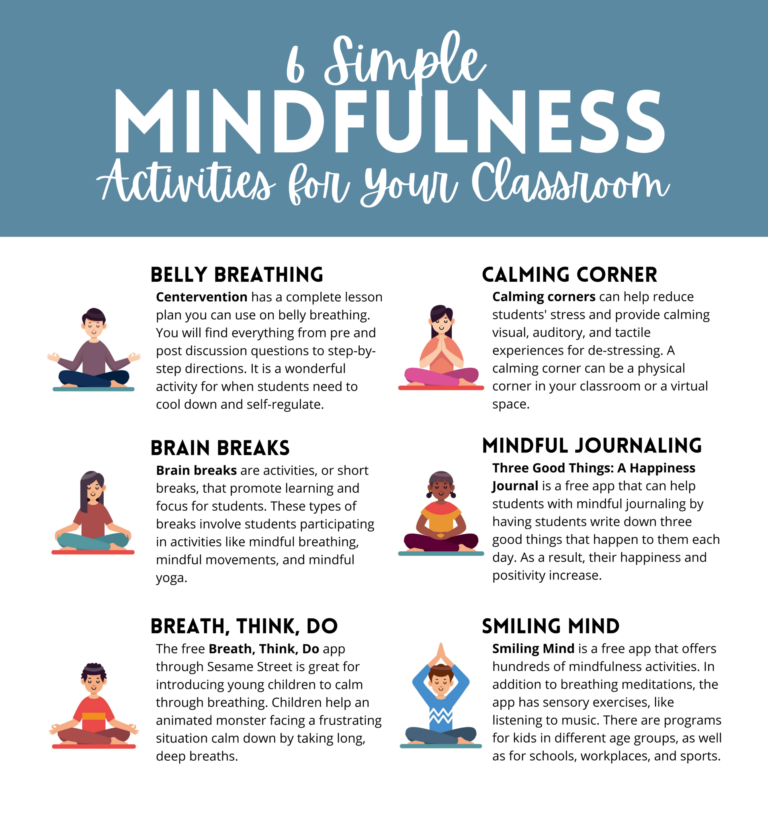
Mindfulness meditation does not require special equipment or environments. It can be practiced in simple ways.
Common practices include sitting quietly and observing breathing, scanning bodily sensations, or noticing sounds without judgment. Some people also practice mindfulness while walking or during daily activities.
The key is consistency rather than duration. Short daily practice is often more effective than occasional long sessions.
Common Misunderstandings About Mindfulness
Mindfulness meditation is sometimes misunderstood.
It is not about stopping thoughts. Thoughts naturally arise during practice.
It is not about positive thinking. Mindfulness includes awareness of difficult emotions.
It is not an instant solution. Benefits develop gradually.
Understanding these points helps set realistic expectations and reduces frustration.
Limitations and Individual Differences
Mindfulness meditation does not work the same way for everyone. Some people find it helpful, while others may find it challenging or uncomfortable at first.
For individuals with certain mental health conditions, mindfulness practice may require professional guidance. This article does not replace medical or psychological care.
Mindfulness is a supportive practice, not a universal remedy.
Integrating Mindfulness Into Daily Life
Mindfulness does not need to be limited to formal meditation sessions. Many people apply mindfulness principles to everyday moments.
Paying attention while eating, walking, or listening can strengthen mindfulness skills. These moments reinforce awareness without adding complexity.
Integration into daily routines often makes mindfulness more sustainable.
Why Mindfulness Is Considered Evidence Based
Mindfulness meditation is considered evidence based because it has been studied using established scientific methods. Research includes controlled trials, long term studies, and neurological observations.
While not every claim is supported equally, the overall body of evidence supports mindfulness as a useful approach to stress management when practiced consistently.
This research foundation distinguishes mindfulness from untested wellness trends.
Setting Realistic Expectations
Mindfulness meditation does not remove stress from life. Instead, it changes how individuals relate to stress.
Benefits often include improved awareness, calmer responses, and better emotional balance. These changes occur gradually and depend on regular practice.
Expecting immediate transformation often leads to disappointment. Viewing mindfulness as a skill encourages patience and consistency.
Final Thoughts
Mindfulness meditation is a research proven approach to reducing stress by improving awareness and emotional regulation. It does not promise instant relief or eliminate challenges, but it offers a practical way to relate to stress differently.
For many people, mindfulness becomes a supportive habit that enhances resilience over time. When practiced with realistic expectations and consistency, it can play a meaningful role in managing everyday stress.
About the Author